The Consequences of Failing to Fund a Trust
It’s a common mistake for people to assume that after creating a trust, their work is done. If your assets are not properly titled to the name of the trust, a whole host of issues can arise when the time…
It’s a common mistake for people to assume that after creating a trust, their work is done. If your assets are not properly titled to the name of the trust, a whole host of issues can arise when the time…
Who will take care of you and your finances and health care decision making if you become incapacitated? The power of attorney is a financial document that names who will step in and take care of an individual’s finances if…
If you take a moment and actually think about it, you are probably registered on several—if not dozens of—websites. You make accounts associated with various websites and sign in with your unique username and password. When I started thinking about…
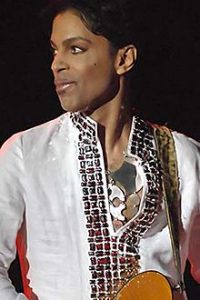 Last week, the world was in shock when news broke about the sudden and unexpected death of pop icon, Prince. Prince died at his residence in Minnesota at the young age of 57.
As some mourned by flooding the internet with his greatest hits, others wondered about his estate. Prince had no known children, no current spouse, and no living parents. This leaves us all wondering: Who will receive his assets? Did he have proper estate planning in place?

Under New York law, the answer as to whether you can disinherit your spouse is … not really. In New York, there is something called the spousal right of election, which states that a surviving spouse has the right to assert…
Oftentimes when creating an estate plan, it is requested that a family member or friend be disinherited. There are many reasons why one would chose to disinherit someone: Perhaps the person creating the estate plan has already provided the family…
Often times when clients make an appointment with our law firm, they have a very specific estate planning concern or issue. They may have a particular focus in mind, such as updating a will or avoiding probate. With a plethora of details to consider, it is often challenging for individuals to adequately address all aspects of their personal “big picture”, i.e. their complete estate.
 ¿Por qué debe ponerse en contacto con la organización benéfica que piensa nombrar beneficiaria?
A menudo las personas desean dejar dinero a organizaciones benéficas. En este blog se exponen situaciones reales en las que las personas dejan activos a organizaciones benéficas:
Ejemplo nº 1: Tom no tiene hijos ni familiares vivos. Su patrimonio neto es de unos 10 millones de dólares. Consciente de que su patrimonio estaría sujeto a impuestos, quiere legar estratégicamente a su alma mater, a la iglesia a la que asiste y a un hospital al que atribuye el mérito de haberle salvado la vida.
Se puso en contacto con su alma mater para informarle de sus intenciones. Firmó una carta de intenciones en la que especificaba el importe de la donación que quería dejar. Como resultado, la universidad creó una dotación con su nombre, cuyos fondos se utilizarán para crear una beca.
Habló con el párroco de su iglesia sobre sus intenciones, y pudo enterarse del buen trabajo que la iglesia podrá hacer gracias a su donación.
 You may leave money or assets to a non-profit organization by means of a charitable trust or will. People leave assets to all types of nonprofits like hospitals, animal shelters, religious organizations, etc.

Henry Montag, CFP, CLTC, es autor invitado del blog de Russo Law Group P.C.
¿Quiere constituir un fideicomiso? Hay muchas razones para hacerlo:
While there are many factors for an individual or family to consider the benefits of establishing a trust, it is equally important that grantor’s/parents review the trusts they have chosen and make certain that the trustees are knowledgeable about their duties and are continuously still operating in the beneficiary’s best interest.