Skip to content

The Complexities of Whitney Houston’s Estate and Trust

The tragic death of Bobbi Kristina, Whitney Houston’s only child, has left her estate in limbo.

Houston’s will left the entirety of her estate, including jewelry, clothing, cars, record profits and music royalties, in a spendthrift trust to the sole heir, Bobbi Kristina.

The provisions of this trust stated that Bobbi Kristina would receive the distributions in three installments: 1/10 at age 21, 1/6 to be received at age 25, and the remainder of the estate upon her turning 30. Based on these provisions, Bobbi Kristina was only entitled to 1/10 of the estate when she died since she was only 22 years old at the time of her passing.

Read More

Safeguarding Clients from Long-Term Care Costs

*This article has been re-posted from AccountingToday.com with permission from the author, Henry Montag. Click here to see the source article.

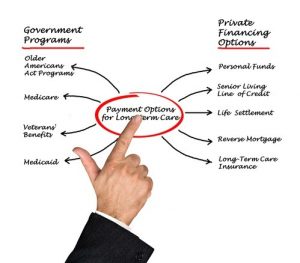
As your clients’ most trusted adviser, how can you protect them from the financial threat and high costs of long-term care?

You basically have two initial choices. Let’s assume your client is under age 75, relatively healthy and understands that an unexpected, unreimbursed long-term care expense is a real threat that can unravel their and their spouse’s retirement plans and lifestyle. You can talk about “what if” scenarios, including the purchase of a long-term care insurance policy. Or you can avoid the fact that costs for care at home or in an assisted living community are in the $60,000 to $75,000 range, and that costs in a skilled nursing facility are in the $125,000 to $175,000 range and are both increasing by 4 percent annually.

Should you have this unpleasant, difficult conversation with your clients? Since the odds of this problem affecting a client over age 80 is approximately 70 percent, it could make a great deal of sense to get your clients thinking about a solution to a problem they may one day likely face. Where will the necessary funds come from to pay for these costs? Is there a readily accessible source of sufficient funds that will not trigger a large unnecessary taxable event when liquidated? Should the client self-insure against this threat or would it make more economic sense to purchase a long-term care insurance contract from one of the major insurers?
Read More

The Benefits of Reverse Mortgage for Long Island Seniors

Looking Forward with a Reverse Mortgage

Reverse mortgages have become more popular in recent years. For many of Long Island’s seniors, the ever-increasing cost of living on a fixed income is a daily challenge. Often seniors look to the equity in their homes to relieve some of their financial pressure.

A reverse mortgage is a secured loan on your home. It allows you to convert a portion of the equity in your home into cash. It is called a reverse mortgage because instead of making monthly payments to a lender, as with a traditional mortgage, the lender makes payments to the borrower. The payout may be received as cash, an income stream, a credit line, or any combination of the three.

Read More
Back To Top
Search