
In early 2026, New York is poised to make history with the enactment of its…
Each February, we observe Black History Month to honor the achievements and recognize the central role of Black Americans in U.S. history. This annual celebration provides an opportunity to reflect on a rich heritage. Additionally, we acknowledge the trailblazers who have shaped our nation.
For us in the legal community, it is a time to spotlight the monumental contributions of Black lawyers who fought for justice and equality. They did this often against incredible odds.
The Origins of a National Celebration
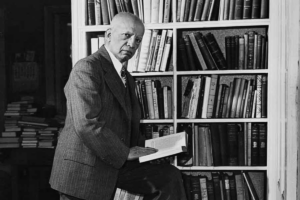
The story of Black History Month begins with Carter G. Woodson, a historian who dedicated his life to celebrating the accomplishments of people of African descent.
In 1926, Woodson and the Association for the Study of African American Life and History launched a week of observance dedicated to celebrating Black history during the second week of February. This week was chosen because it coincided with the birthdays of Abraham Lincoln and Frederick Douglass. Both figures played significant roles in Black American history.
The initiative was met with an enthusiastic response. It inspired schools and communities across the country to organize celebrations, lectures, and performances. The Civil Rights Movement of the 1960s amplified this momentum. By the 1970s, the observance evolved into Black History Month on many college campuses. In 1976, President Gerald Ford officially recognized Black History Month. He urged all Americans to “seize the opportunity to honor the too-often neglected accomplishments of Black Americans in every area of endeavor throughout our history.”
Legal Titans Who Changed the World
The legal profession has been profoundly shaped by courageous Black attorneys who challenged discriminatory laws and paved the way for a more just society. Their work not only advanced civil rights but also opened doors for generations of lawyers to follow.
Charlotte E. Ray: The First Black Woman Lawyer
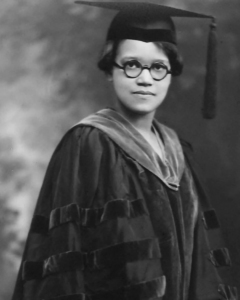
In 1872, Charlotte E. Ray became the first Black woman to graduate from a law school and be admitted to the bar in the United States. A graduate of Howard University School of Law, she was also the first woman admitted to the District of Columbia Bar.
Ray opened her own law practice, specializing in commercial law. However, she faced significant prejudice due to her race and gender, which made it difficult to attract clients. Despite these barriers and the social climate of the time, Ray’s legal skills were highly respected by her peers. She was also known for her deep knowledge of constitutional law and her advocacy on behalf of women’s rights and the African American community.
Unable to sustain her legal practice because of the discrimination she encountered, Ray turned to education. There, she continued to make a lasting impact as a teacher and advocate for equal opportunities. Her courage, determination, and pioneering achievements broke significant barriers in the legal profession.
Today, Charlotte E. Ray stands as a powerful symbol of perseverance and serves as an enduring inspiration to future generations of Black women pursuing careers in law. She reminds us of the importance of both access and representation in the legal field.
Thurgood Marshall: A Giant of Civil Rights
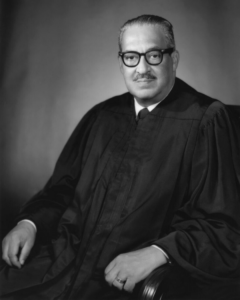
No discussion of legal history is complete without mentioning Thurgood Marshall. Before becoming the first African American Supreme Court Justice in 1967, Marshall served as the lead attorney for the NAACP Legal Defense and Educational Fund. In this role, he argued numerous cases before the Supreme Court. He compiled a record that is second to none.
Marshall’s most famous victory was the landmark 1954 case, Brown v. Board of Education of Topeka. Marshall successfully argued that state-sponsored segregation in public schools was unconstitutional, overturning the “separate but equal” doctrine established by Plessy v. Ferguson.
This monumental decision was a cornerstone of the Civil Rights Movement. It fundamentally reshaped American society. His career is a testament to the power of the law as a tool for social change.
Constance Baker Motley: A Pioneer for Justice
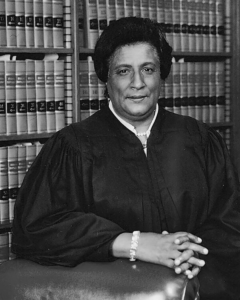
A key legal strategist of the Civil Rights Movement, Constance Baker Motley worked alongside Thurgood Marshall at the NAACP Legal Defense Fund. She argued ten major civil rights cases before the Supreme Court, winning nine of them. Her work was instrumental in desegregating schools, universities, and public transportation across the South.
Beyond her landmark litigation, Motley blazed a trail for women and people of color in the legal field, inspiring and mentoring countless future civil rights advocates. Her leadership opened doors and set new standards for excellence, integrity, and the relentless pursuit of justice.
In 1966, Motley broke yet another barrier when President Lyndon B. Johnson appointed her as the first Black woman to serve as a federal judge. Her career demonstrates unwavering dedication to equality and justice. Moreover, her influence is still felt in courtrooms and communities today.
Why Black History Month Matters
Black History Month is more than just a time for remembrance. Rather, it is an active call to continue the work of education and advocacy. It encourages us to learn the stories that have been overlooked.
Additionally, it calls us to understand the systemic challenges that persist. By celebrating the contributions of figures like Charlotte E. Ray, Thurgood Marshall, and Constance Baker Motley, we not only honor their legacy but also inspire a new generation to pursue justice and champion equality.
At Russo Law Group, we believe in the importance of understanding our history to build a better future. This February, we invite you to join us in celebrating the invaluable contributions of Black Americans to our nation’s legal system and society as a whole.

Related Posts



Comments (0)