
Receiving a denial for Supplemental Security Income (SSI) or Social Security Disability Insurance (SSDI) benefits can feel discouraging, especially…
As a parent, we would like to be able to provide for our children in our lifetime as well as when we are no longer here. However, if you are the parent of a child with special needs, the importance and complexity of putting financial safeguards in place takes on new meaning.
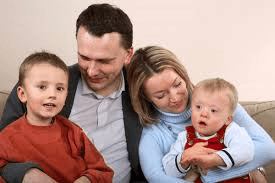 Ultimately, the manner in which you distribute assets to a beneficiary with special needs after you die not only impacts his/her eligibility for government benefits but their quality of life.
Children and adults with significant mental or physical disabilities are eligible for essential long-term nursing care under Medicaid, cash assistance under Supplemental Social Income and a number of state programs. The only catch is that they cannot exceed a certain asset threshold.
No matter your intention, if you leave assets outright to someone who is on a needs-based program, you could potentially kick them off of the program disabling them from receiving benefits. The person would then need to spend down the assets given to them and reapply for the program, causing a lapse in service and disrupting the continuity of care.
You can avoid the possibility of your loved one being kicked off a government program by setting up a supplemental needs trust. This trust is designed to enable third-party individuals to leave an inheritance to heirs who are disabled without negative repercussions. Because the assets are titled to the trust and not considered part of the estate, there is no limit to how much you contribute, the assets will not be counted against the person with special needs.
The language in the trust should clearly indicate that distributions are to be made exclusively for supplemental expenses or services that are not covered under Medicaid, such as dietary supplements, travel expenses and prosthetic devices. For maximum protection, the trust should also state that only after other assets and governmental programs are considered should the distributions be made.
If you would like to speak with an experienced elder law attorney regarding your situation or have questions about something you have read, please do not hesitate to contact our office at 1 (800) 680-1717. We look forward to the opportunity to work with you.
Disclaimer: The information provided above is for general informational purposes only and is not legal advice.

Related Posts



Comments (0)