
The recent disappearance of Nancy Guthrie from her home in Catalina Foothills, Arizona, has highlighted the difficult…
 March is Women’s History Month, a time dedicated to recognizing and celebrating the vital role of women in American history. This month offers a chance to look back at the often-overlooked contributions of women in every field of endeavor.
At Russo Law Group, we find it especially important to honor the trailblazers who broke barriers in the legal profession, paving the way for future generations and reshaping our society for the better.
The journey for women in law has been long and challenging. For centuries, the courtroom and law firms were exclusively male domains. Women who dared to pursue a legal education or career faced immense social and institutional obstacles. Yet, through persistence, brilliance, and an unwavering commitment to justice, these pioneers not only entered the profession but transformed it.
Pioneers of the Legal Profession
The story of women in law is filled with inspiring figures whose work continues to influence our legal system. Their courage and determination opened doors that were once firmly shut. Let’s take a moment to celebrate a few of these remarkable women.
Constance Baker Motley (1921-2005)
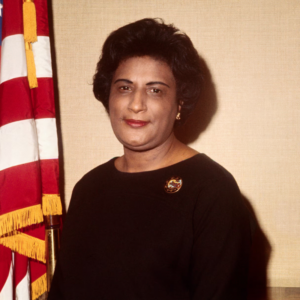
A key figure in the Civil Rights Movement, Constance Baker Motley was a force for justice. As a lawyer for the NAACP Legal Defense and Educational Fund, she argued ten major civil rights cases before the U.S. Supreme Court, winning nine of them.
One of her most famous victories was in Meredith v. Fair, which secured James Meredith’s admission to the University of Mississippi. In 1966, she broke another barrier by becoming the first African American woman appointed to the federal judiciary. Her legacy is one of fighting for equality and using the law as a tool for profound social change.
Sandra Day O’Connor (1930-2023)

In 1981, Sandra Day O’Connor made history when she was appointed by President Ronald Reagan as the first female justice of the U.S. Supreme Court. After graduating near the top of her class at Stanford Law School, she faced discrimination from law firms unwilling to hire a woman. Undeterred, she built a distinguished career in public service.
During her 24 years on the Supreme Court, she was known for her pragmatic and often pivotal role as a swing vote. Her presence on the nation’s highest court was a monumental step forward for women in law and a symbol of progress for the entire country.
Ruth Bader Ginsburg (1933-2020)

Affectionately known as “RBG,” Ruth Bader Ginsburg became a legal, cultural, and feminist icon. Before her appointment to the Supreme Court in 1993, she was a pioneering advocate for gender equality. As the director of the ACLU’s Women’s Rights Project, she argued a series of landmark cases before the Supreme Court that strategically dismantled legal discrimination on the basis of sex.
Her brilliant legal mind and passionate dissents made her a powerful voice on the Court for over 27 years. Justice Ginsburg’s work fundamentally advanced the rights of women and reshaped the legal landscape.
Reflecting on Progress and Looking Ahead
The contributions of women like Constance Baker Motley, Sandra Day O’Connor, and Ruth Bader Ginsburg have created a more inclusive and equitable legal profession. Today, women make up a significant portion of law school graduates and practicing attorneys. Their presence has enriched the practice of law, bringing diverse perspectives that are essential for a just legal system.
As we celebrate these achievements during Women’s History Month, we also recognize that there is more work to be done. The journey toward full gender equality in the legal field continues. We encourage everyone to reflect on the progress made possible by these trailblazers and to consider how we can each contribute to building a more equitable future. Let us continue to support and empower the next generation of women leaders in law and beyond.
Disclaimer: The information provided above is for general informational purposes only and is not legal advice.

Related Posts



Comments (0)